
G10 material does not absorb water, which is a major advantage. Made of glass fiber and epoxy resin, it is synthesized through a high-temperature, high-pressure process, resulting in extremely low water absorption and stable performance even in humid environments. Its performance is not easily altered by water absorption, making it widely used in electronic insulation or mechanical components requiring moisture protection. G10 also has the following four outstanding properties:
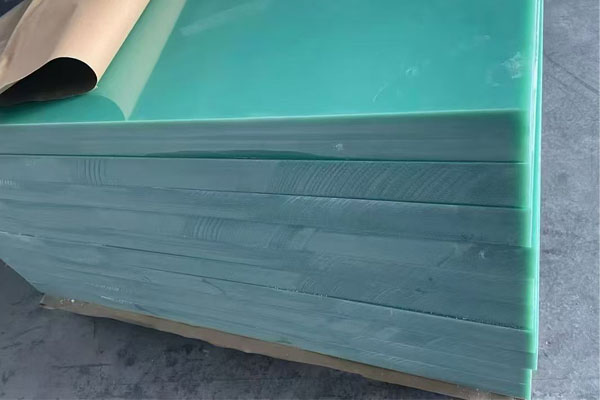
1. High Strength and Rigidity
G10 is a precision-manufactured material. Its strength-to-weight ratio is higher than 6061 aluminum alloy, and its tensile strength is almost identical. This makes it an extremely durable material. Because it is a composite laminate made of woven fiberglass cloth, its strength properties vary depending on the material orientation. Its excellent bending strength allows it to maintain its shape even under load.
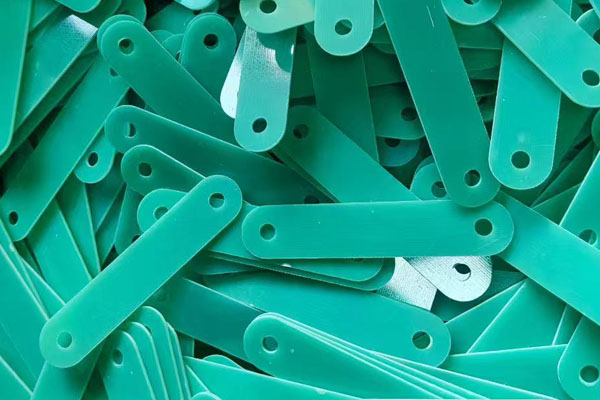
2. Electrical
Insulation
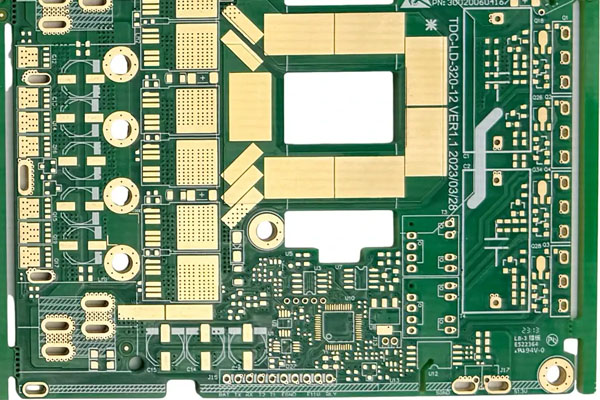
G10, as a high-quality insulating material, is widely used in electronic fields such as circuit board substrates and insulating pads. In PCBs, a conductive copper layer is usually bonded to one (or both) side. Specific patterns can be formed by cutting the copper layer, thus leaving conductive traces on the circuit board.
3. Thermal Stability
G10 has a very low coefficient of thermal expansion. Compared to other materials, this gives it excellent thermal stability, with very little expansion and contraction due to temperature changes.
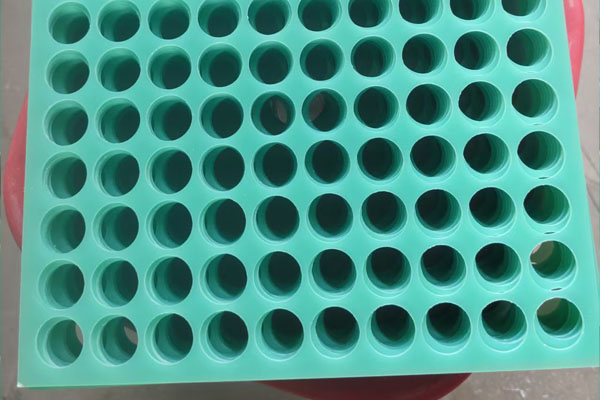
4.
Chemical Resistance
As
G10 is made of epoxy resin, it generally exhibits good chemical resistance.
While strong chemicals may have a negative effect, G10 resists common
substances such as alcohols, oils, and even low concentrations of acids quite
well.



Xiamen JY Machinery Technology Co.,Ltd




